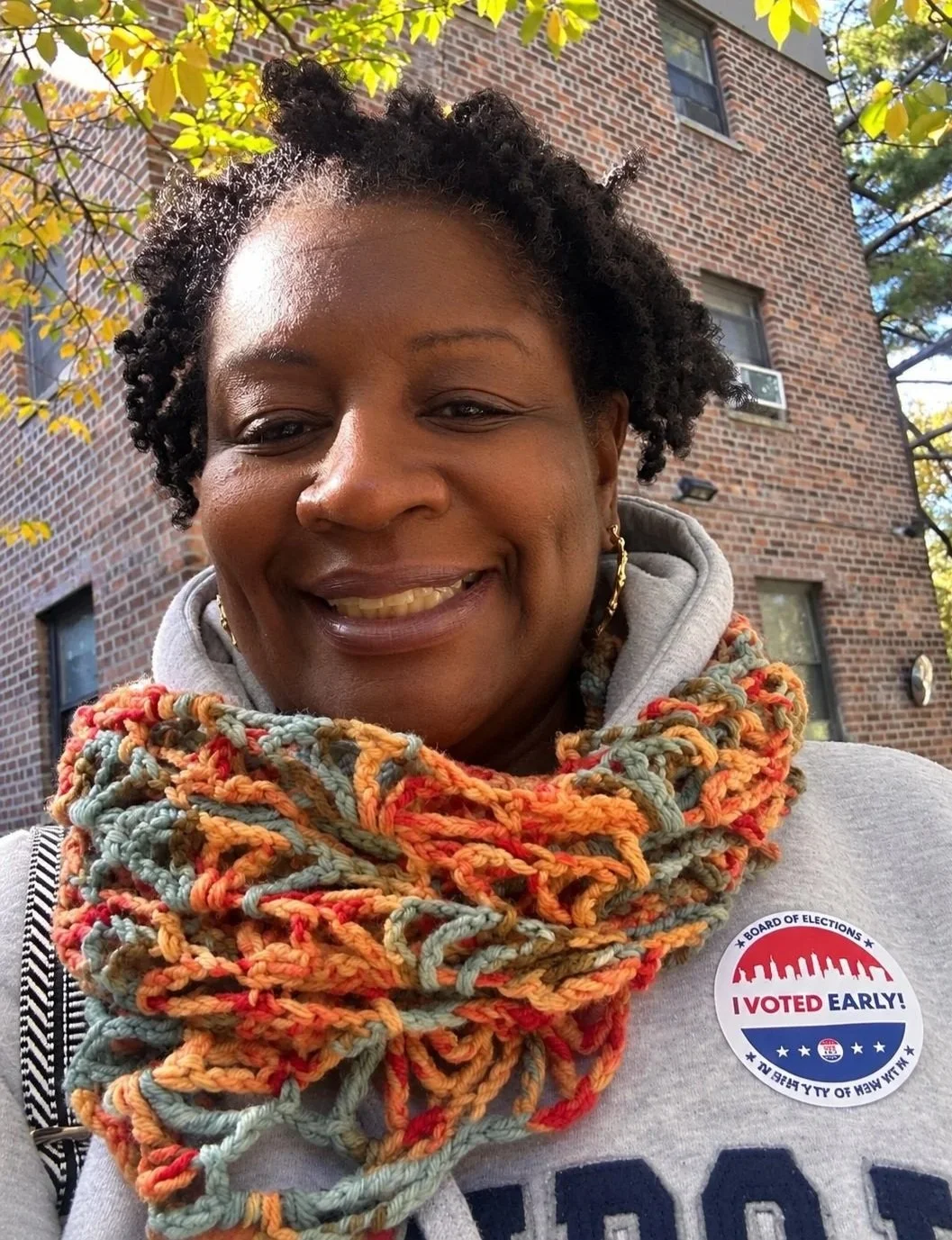
Recently, I exercised my right to vote during New York City's early voting period. As I walked away from the polling location, I held two stickers in my hand, each acknowledging my participation in the 2026 election.
It was a simple moment, one that many of us experience during election season. We arrive at our designated location, cast our ballots, receive our stickers, and continue with our day.
But as I reflected on that experience, I began thinking about something much greater than the act of voting itself.
I thought about my work.
I thought about the communities I have served.
I thought about my grandmother.
And I thought about the generations of people whose lives and experiences helped shape the opportunities available to me today.
For me, voting is more than a right. It is a responsibility, a connection to my ancestry, and part of the legacy I have an opportunity to carry forward.
Make it stand out.
Whatever it is, the way you tell your story online can make all the difference.
More Than Casting a Ballot
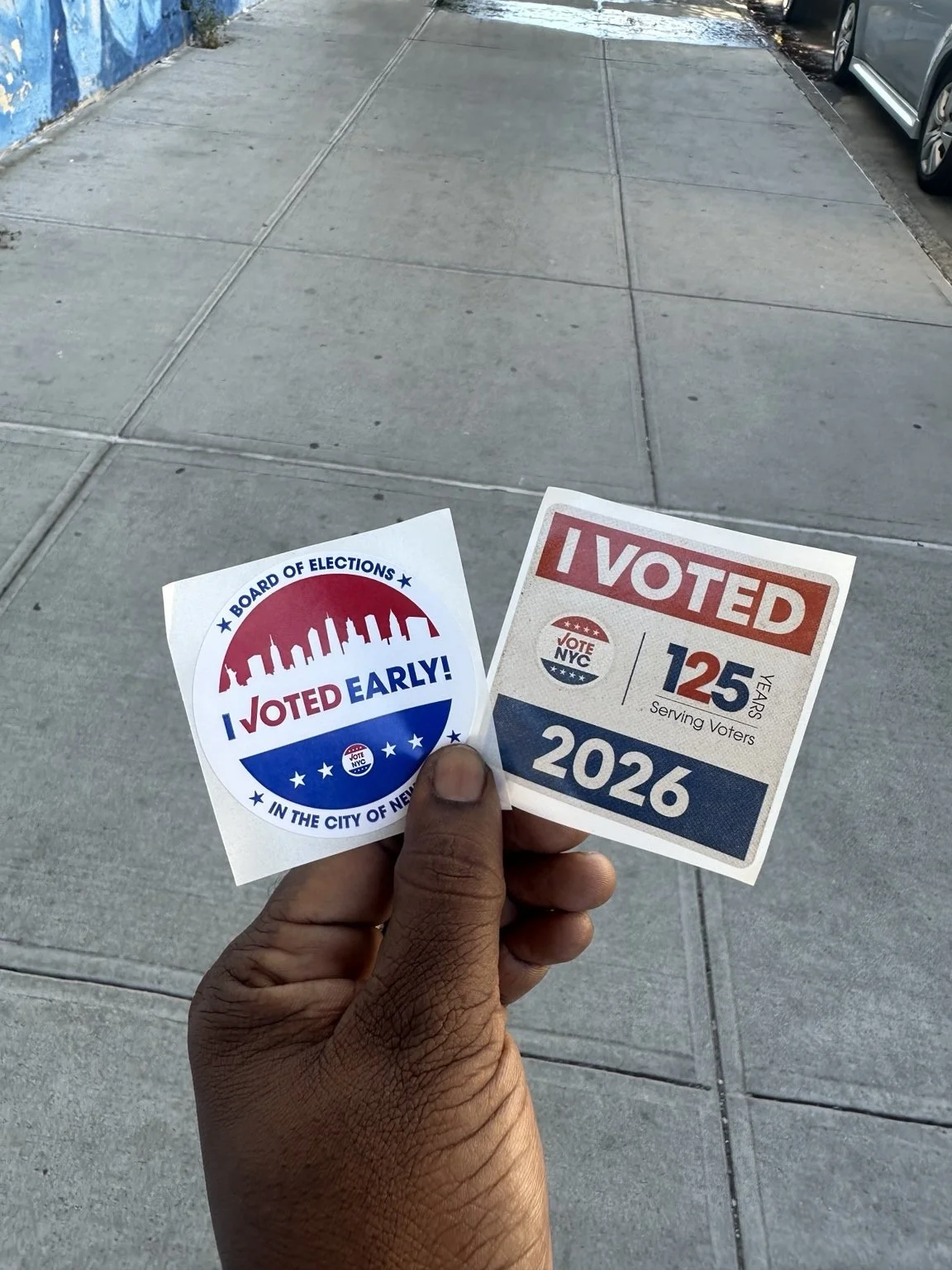
Early Voting Stickers
Throughout my career in social services, education, and community leadership, I have witnessed the ways decisions made by elected officials influence the everyday experiences of individuals, families, and communities.
Funding for educational programs, social services, youth development, housing, and community resources does not happen in isolation. Public decisions affect which programs receive support, how services are delivered, and what opportunities become available.
In my book, Social Services 360: Serving with Excellence and Integrity, I emphasize the importance of understanding who our elected officials are, what responsibilities they hold, and how their decisions affect the programs and communities we serve.
We should know more than the names of the people representing us.
We should understand their responsibilities, recognize the issues affecting our communities, and remain informed about the decisions being made on our behalf.
Are they listening to the people they represent?
How are public resources being allocated?
What commitments have they made to our communities?
How are those commitments being translated into action?
These are questions worth asking before, during, and after an election.
Voting is an important part of civic participation. Accountability is what happens after the ballot has been cast.
A Legacy Written in Ink
While thinking about voting, I remembered a document that had been preserved among my grandmother's belongings.
My grandmother, Hannah Reed, was born in North Carolina on October 19, 1909. She later lived in Fayette County, West Virginia.
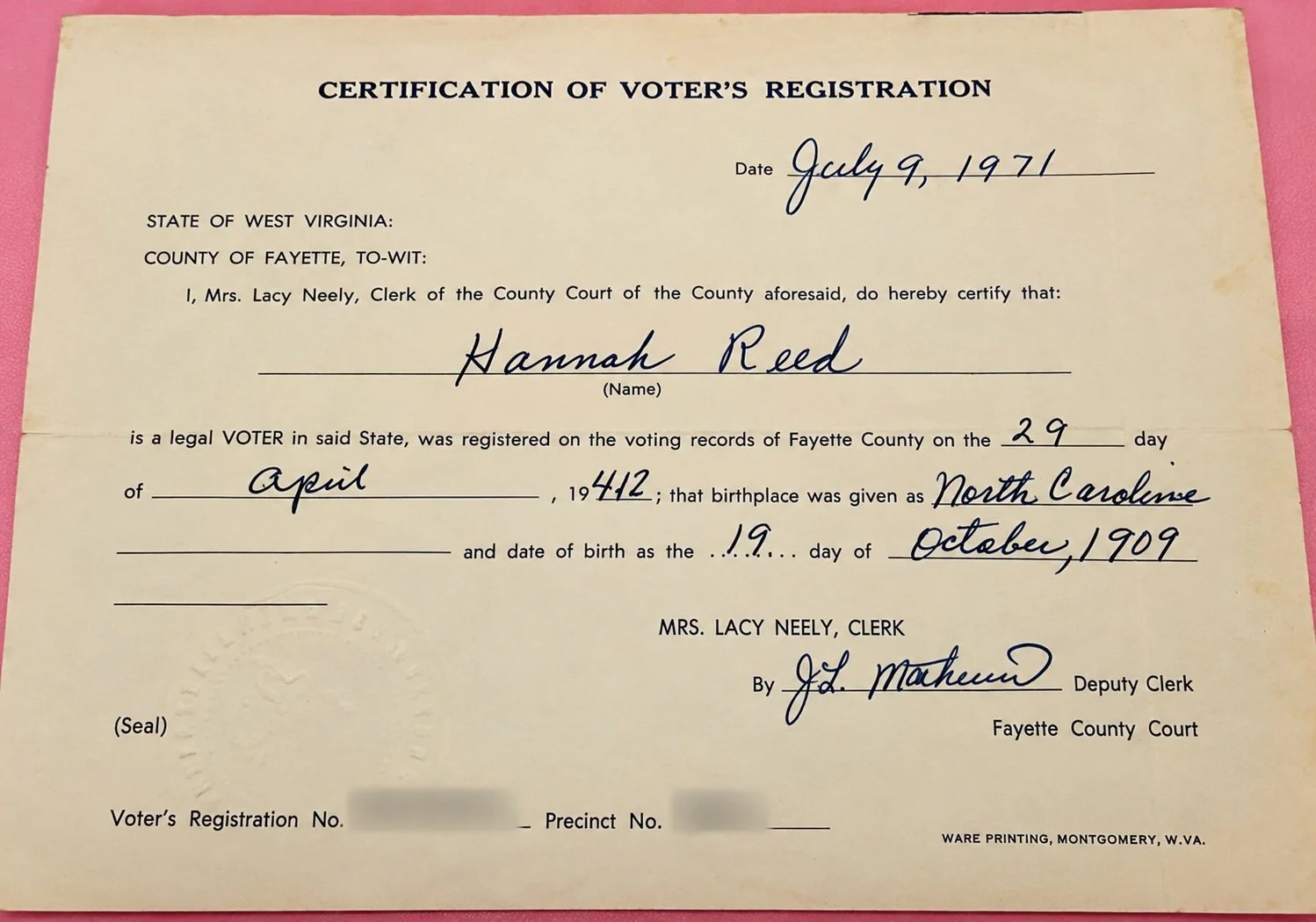
My grandmother Hannah Reed's voter registration certificate, documenting her registration in Fayette County, West Virginia, on April 29, 1942. Certificate issued July 9, 1971. From my family's personal archives.
Among the things she kept was a document titled Certification of Voter's Registration.
I remember that she was proud of it.
When I revisited the document, two dates immediately caught my attention.
The certificate was issued on July 9, 1971.
But it confirmed something that had happened much earlier.
My grandmother was registered to vote in Fayette County, West Virginia, on April 29, 1942.
That date stopped me.
Twenty-three years before the Voting Rights Act of 1965.
As I looked at her name written across the certificate, I found myself thinking about the period in which she lived, the changes she witnessed, and what it might have meant to have her voter registration formally documented.
I cannot tell you every circumstance surrounding her registration. I do not know what conversations she had, what challenges she encountered, or why this particular certificate was issued nearly three decades later.
But I do know that she kept it.
And I remember her pride.
Sometimes the documents our families preserve tell us something about what they considered important.
For my grandmother, this certificate was worth keeping.
And decades later, it has become part of a story I now have the privilege of sharing.
The Hands That Held Me
There is another photograph I treasure.
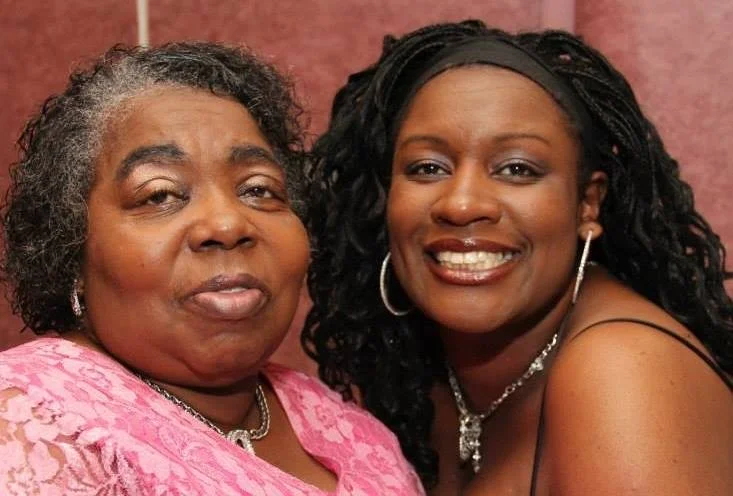
It is a picture of my grandmother sitting on a sofa, holding me as a baby. I was also born on October 19th.
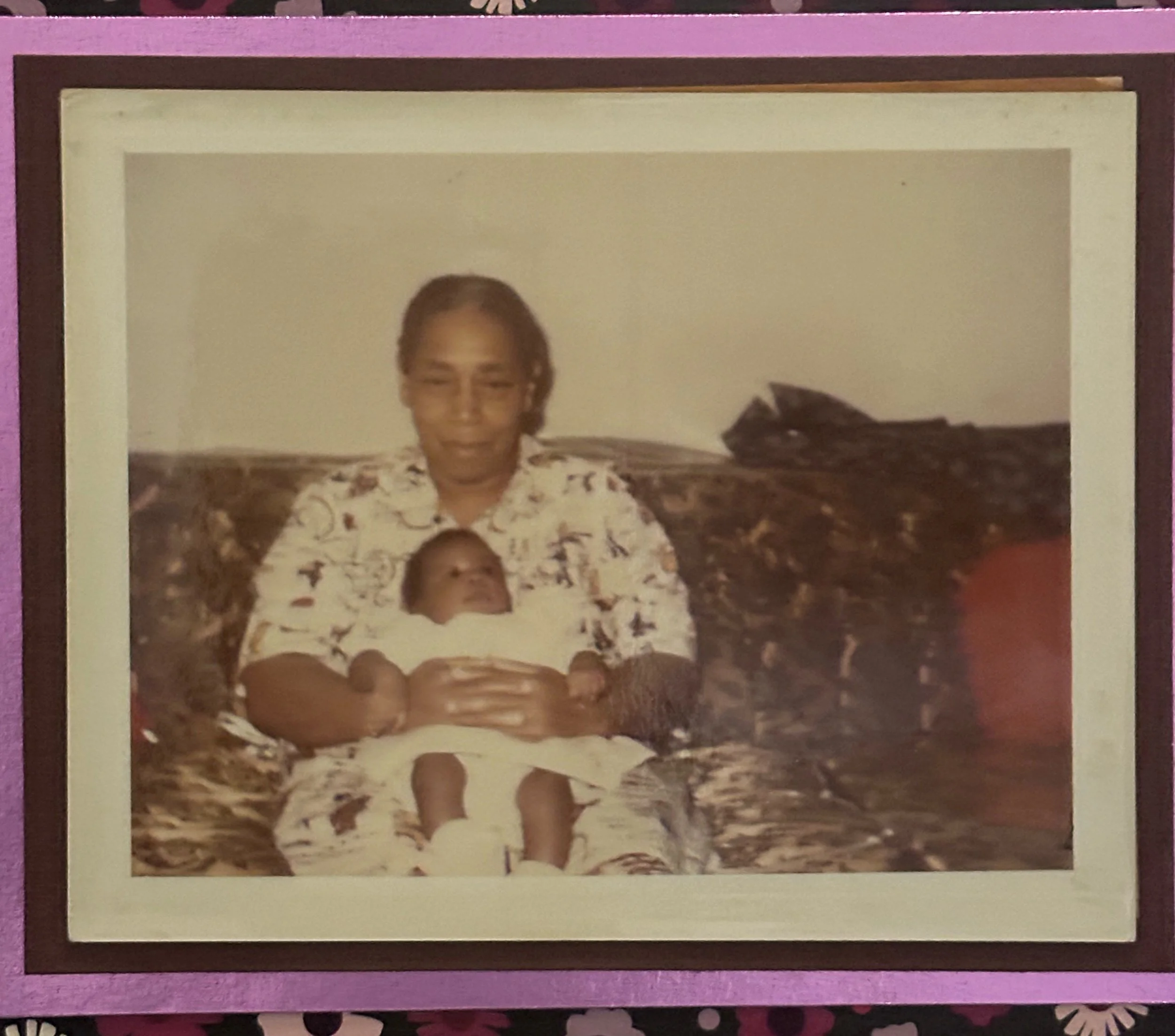
When I look at that photograph today, I see more than a childhood memory.
I see a woman whose life began in 1909, who lived through extraordinary periods of change, and whose personal history is connected to the larger history of our country.
I see the hands that once held me.
And I think about those same hands preserving a document that meant something to her.
Today, I have a photograph of myself holding my voting stickers from the 2026 election.
My grandmother had a certificate documenting her voter registration in 1942.
Two generations.
Two different moments in history.
One continuing family story.
She held me then. I carry her legacy now.
Voting as an Act of Remembrance
Ancestral veneration, for me, includes remembering and honoring those who came before us.
It is about recognizing their lives, acknowledging their experiences, preserving their stories, and understanding how their influence continues through the generations.
Sometimes that remembrance happens through family photographs.
Sometimes it happens through stories shared around a table.
Sometimes it happens through the preservation of a document.
And sometimes it happens through our own actions.
When I exercise my right to vote, I am reminded that my participation exists within a much larger history.
I think about the people who worked to expand voting rights and the generations who experienced a very different political and social landscape.
I think about the opportunities we have inherited and the responsibilities that accompany them.
And I think about my grandmother, whose certificate has now become a meaningful part of my understanding of that legacy.
I do not have to know every detail of her experience to recognize the importance of preserving her story.
For me, remembrance is not only about looking backward.
It is also about considering how we live, participate, and contribute today.
From Awareness to Accountability
One of the most important lessons I have learned through community leadership is that meaningful change requires continued engagement.
Voting is one expression of that engagement, but it is not the only one.
We can remain involved by learning about the people who represent us, attending community meetings, following public decisions, communicating with elected officials, and understanding how resources are distributed.
In the nonprofit and social-services sectors, this is especially important.
Programs do not operate separately from the communities and systems around them.
Our work is influenced by policies, funding priorities, partnerships, and public decisions.
When we understand those relationships, we are better positioned to advocate responsibly, communicate effectively, and contribute to meaningful solutions.
I often speak about the importance of communication, connection, and collaboration in building stronger communities.
Civic engagement requires those same principles.
We communicate to understand.
We connect to recognize shared concerns.
We collaborate to address challenges.
And we remain accountable for the roles we each play.
The Legacy We Continue to Create
As I reflect on my early voting experience, I realize that what initially seemed like a simple photograph has become part of a much larger story.
A sticker from 2026.
A certificate from 1971 documenting a registration in 1942.
A photograph of a grandmother holding her grandchild.
Each represents a different moment, but together they remind me that our lives are connected to the generations before us and the generations still to come.
I cannot change the experiences my grandmother lived through.
I cannot speak for every ancestor or know every sacrifice that shaped the opportunities I have today.
But I can honor their lives through remembrance, informed participation, and the choices I make about how I contribute to my community.
And I can continue encouraging others to understand the importance of civic engagement not as a partisan obligation, but as an opportunity to exercise their rights and remain involved in decisions that affect their lives.
Our rights matter. Our responsibilities matter. And our legacy is still being written.
Perhaps that is one of the most meaningful expressions of everyday leadership:
Recognizing what we have inherited, understanding the responsibility we hold today, and considering what we will leave for those who come after us.
I voted. I remembered. And I remain responsible for what comes next.